Pride ~ Quality ~ Precision
ARTIFICIAL GRASS
ARTIFICIAL GRASS
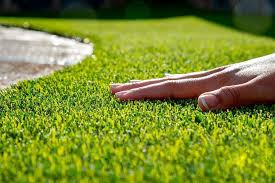
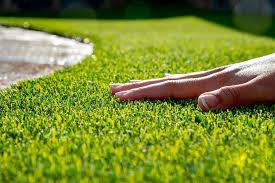
Artificial grass, also known as artificial turf or synthetic turf, is a surface made from synthetic fibers to look like natural grass. It is used for residential lawns, commercial properties, playgrounds, and sports arenas because it offers a low-maintenance, evergreen surface all year round.
Features and benefits
Low maintenance: Artificial grass requires no mowing, watering, or fertilizing. Debris can be removed with a broom or leaf blower, and occasional rinsing with water is recommended.
Durability: Made from synthetic materials like polyethylene, polypropylene, or nylon, artificial turf can withstand heavy foot traffic and extreme weather conditions.
Aesthetics: Artificial grass provides a lush, green appearance year-round, regardless of the season or weather.
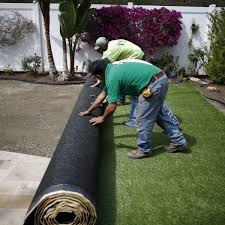
Versatility: It can be installed on various surfaces, including soil, concrete, patios, and decks, and is suitable for gardens, balconies, and play areas.
Eco-friendly benefits: Although synthetic, it reduces water consumption and eliminates the use of fertilizers and pesticides. Some newer products, like LazyLawn's ONE-DNA®, are designed to be 100% circular and recyclable.

Artificial grass is categorized by its base material, pile height, and intended use. Selecting the right type depends on your specific needs, whether that involves heavy foot traffic, pets, or aesthetic goals.
1. By Material
Polyethylene: The most popular residential choice. It provides an excellent balance of softness and durability, making it ideal for family gardens.
Nylon: The strongest and most resilient material. It withstands heavy foot traffic and extreme heat without flattening. However, it can feel firmer and is typically more expensive.
Polypropylene: The most affordable option, but also the least durable. It is best suited for low-traffic areas like balconies, temporary setups, or decorative accents.
Hybrid (Multi-Yarn): Blends different fiber types (e.g., polyethylene for softness on top, nylon for strength at the base) to offer the best of both worlds.
2. By Pile Height & Density
Short Pile (20mm - 30mm): Mimics a freshly mown lawn. It is easier to clean and excellent for sports, putting greens, or high-traffic areas.
Medium Pile (30mm - 40mm): The most popular residential choice. It offers a more luxurious, cushioned feel while maintaining a natural look.
Long Pile (40mm+): Highly cushioned and plush, providing a premium, lush aesthetic.
3. By Application
Pet-Friendly: Features latex-free backings or non-absorbent materials (like polypropylene) that prevent pet urine odours from lingering. They also typically incorporate highly permeable backings for quick drainage.
Sports & Play Areas: Extremely dense, short-pile turf designed to withstand heavy wear and tear, and often includes shock-absorption layers.
Putting Greens: Made of 100% nylon for a tight, directional grain that mimics the exact speed and roll of professional golf greens.

What Are the Different Types of Artificial Turf Usage?
One of the reasons for the explosion of interest in artificial grass is its versatility. No longer is it confined to professional sports fields. Advances in the quality of turf have created ever-more realistic options that can be used for multiple backyard landscaping ideas.
When considering the type of artificial turf to order, one of the most basic considerations is what you’ll use the space for. Whether it’s a low-maintenance lawn, a recreational area or a dog run, there’s an artificial turf type to match what you need


Backyard Landscape Turf
Most homeowners in the southern states want a low-maintenance lawn that looks immaculate but natural all year round.
The best option is a soft, lush, high-quality turf with a high face weight and a long enough pile height to ensure it is comfortable and springy to walk on. The turf should also be able to withstand moderate to heavy foot traffic, remain cool in hot weather, and drain well if the lawn is used by your family.
Modern backyard with artificial turf, patio seating, pool, and trimmed hedges in front of a large stone house.
Pet Turf
Artificial turf has many benefits for dog owners—and your canine friend will love it too. Pet turf systems are specifically designed to handle whatever your dog can throw at it, including boisterous play and dog pee.
Dog-friendly turf should have a non-latex, highly permeable backing for drainage and an antimicrobial infill to prevent bacteria and pee odors. It should also stay cool for your pet’s paws. You may want to consider a slightly shorter pile height to make it easier to collect solid waste in dog-run areas.
Like all turf, artificial grass for dogs should be installed professionally with properly prepared ground and no weed membrane underneath.
If you get it right with your pet turf, you and your dog will enjoy an odor-free, toxin-free area with no digging and no mud trailing back through the house.
Golden retriever running on artificial turf in a backyard with a pool, umbrella, and modern stone house.
Putting Green and Golf Turf
Artificial putting greens can closely resemble the appearance and performance of real grass greens—with a fraction of the maintenance—thanks to the advance of synthetic turf technology.
This type of artificial turf has a short pile height (0.4 to 0.75 inches) and may be made of nylon rather than polyethylene. This is particularly hard-wearing and, with the appropriate infill, can mirror the roll of a golf ball on a real grass putting green.
The best artificial putting greens also have a fringe, fairway or chipping area beyond the main putting surface for an extended golfing experience.
Backyard putting green with artificial golf turf, surrounded by plants, trees, and houses with red tile roofs.
Playground Turf
The best playground turf is hygienic, with good drainage and installed with safety first in mind. A shock-absorbent foam pad should be installed underneath the grass to cushion the impact of falls.
A turf with thatch and a good face weight will be durable enough to withstand heavy foot traffic and also provide extra cushioning.
Like with all types of artificial turf, a professional installation is essential for playground turf.
Playground with slide and shade canopy on artificial turf, next to a toy playhouse, enclosed by a fence in open grassy area.
Swimming Pool Turf
The best artificial turf type around a swimming pool is highly permeable so that it drains water well and is not harmed by chlorine or UV rays. Often, an antimicrobial infill is a good addition too.
Pool turf is regularly installed in the form of turf strips, which are set between pavers. Because of the possibility of excess water, it’s important to prepare the ground beneath the turf carefully for drainage too.
This type of turf is popular for pool owners as it saves having to regularly trim grass that may become difficult to tend between flagstones.
Modern backyard with pool, white lounge chairs, and artificial turf strips between concrete pavers beside a white house.
Sports Field Turf
Artificial turf started its journey into the mainstream consciousness when it was used in sports fields across the world during the 1970s and 1980s.
Since then, many professional stadiums have upgraded their artificial turf as better options have come onto the market. Many others have made the switch from real grass to turf for a lower maintenance, more cost-effective option. Another attraction for team owners is that synthetic turf is not dependent on getting enough sunshine (stadiums can be tall with limited sunlight).
Sports turf is also used extensively in amateur sports and recreational facilities across the country. The best sports field turf stands up to significant wear and tear and is highly durable.
GET IN TOUCH